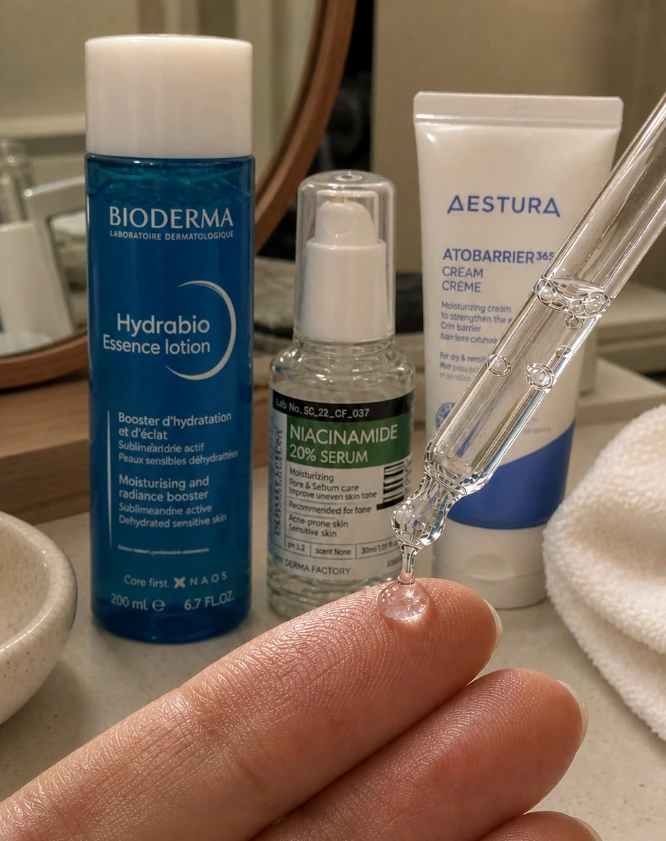
Glass skin is the thing I get asked about most, and the honest answer is that it isn’t something you buy in a bottle. It’s hydration, a calm barrier and even tone, built up over weeks. Products make it easier — they just don’t do it on their own. These five are the ones I keep re-buying here in Seoul.
In this article:
- What glass skin actually is
- How I picked these five
- The 5 products, in the order you use them
- The toner step — by skin concern
- How to layer everything
- What these products won’t fix
- Where to buy & Korean prices
- FAQ
What glass skin actually is (and what it’s not)
Glass skin is skin that looks clear, smooth and hydrated enough that light bounces off it. Korean and UK beauty guides all land on the same words — luminous, even, almost translucent.
The three things that actually create it
- Hydration — plump skin reflects light, dehydrated skin scatters it.
- A calm barrier — irritated skin looks red and rough no matter what you layer on top.
- Even tone — glass skin is even skin, not just shiny skin.
Why the hype confuses people
Most glass-skin content is written by retailers, so it stops at a product list. Here’s the unglamorous part: this is a skin state, not a filter, and it has nothing to do with having no pores. If your skin is dehydrated or irritated right now, no serum is going to give you the look until you fix that first.
How I picked these five
Bought and used in Seoul, long enough to judge
Everything here I bought with my own money in Korea and used for at least a full season. No PR boxes, no one-week verdicts.
What got a product cut
Anything that stung, pilled under sunscreen, or only looked good in a photo. So did anything you can’t realistically buy outside Korea — all five below ship internationally.
The five at a glance
The whole routine in one table, in the order you apply it, with the Korean shelf price where I have read it off the label myself. Blank cells are prices I have not verified in person — I would rather leave them empty than copy a retailer’s number.
| Step | Product | Its job | Korean price, Sept 2026 |
|---|---|---|---|
| 1 · Cleanse | Anua Heartleaf Pore Control Cleansing Oil | Lifts sunscreen and sebum without stripping the barrier | — |
| 2 · Hydrate | Torriden Dive In Serum (50ml) | The water layer. 5D hyaluronic acid at several molecular weights | ₩15,680 plain set · ₩24,300 Sanrio bundle |
| 3 · Tone | Derma Factory Niacinamide 20% | Evens tone and controls oil. High percentage — targeted, not daily for everyone | — (COSRX’s Niacinamide 15 was ₩16,580 on the same shelf) |
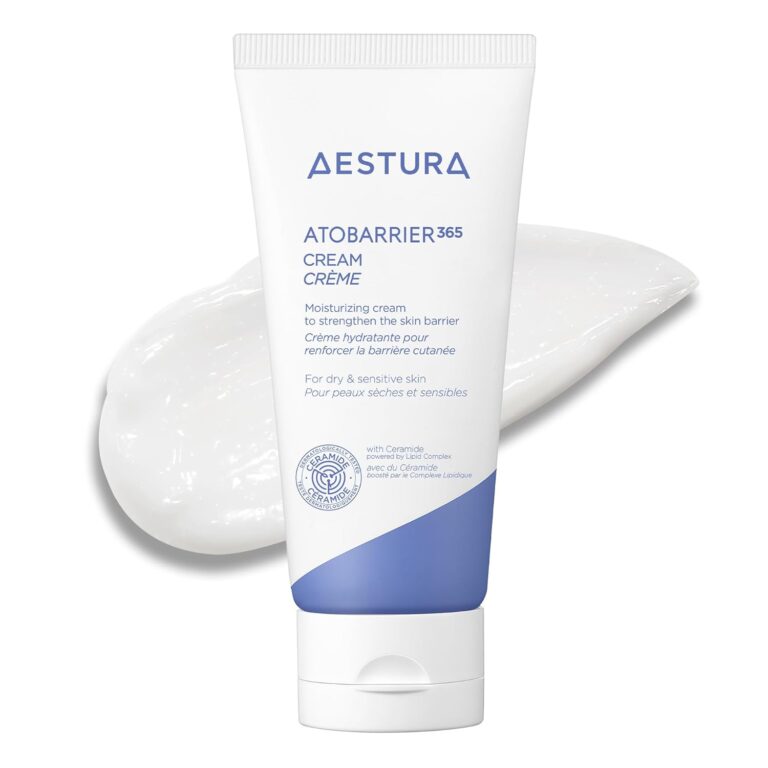
| 4 · Seal | AESTURA Atobarrier 365 Cream (80ml) | Barrier cream from the derma section. Holds everything under it in | — |
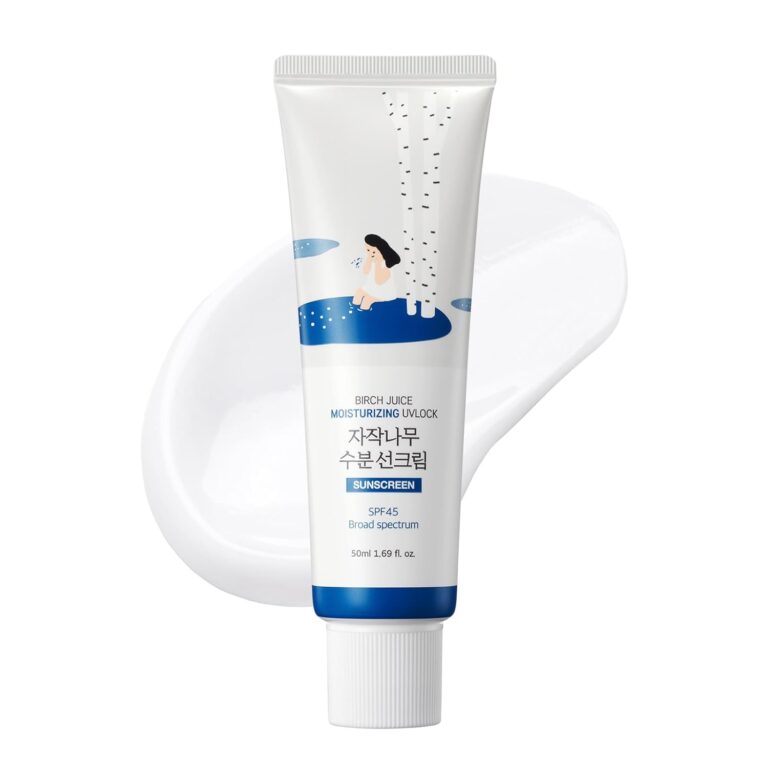
| 5 · Protect | Round Lab Birch Juice Moisturizing Sunscreen (50ml) | Daily SPF. Olive Young’s 2025 suncare award winner | ₩24,500 |
Two things that table makes obvious and a prose list does not.
The sunscreen is the most expensive item here. At ₩24,500 the Round Lab sits at the top of what Koreans actually pay for a daily sunscreen — most of the Olive Young top ten runs ₩15,000–18,000. You are paying for texture, not for the SPF number. The full review goes into that trade-off, including the sting risk if you are sensitive.
The niacinamide step is the one to be careful with. A 20% serum is not a stronger version of a 5% one in any way that helps a beginner — above roughly 10% the added benefit flattens while stinging and flushing get more likely. Korea shelves the high-percentage bottles in the 스팟집중 (spot-focus) section rather than with the daily serums, which tells you how they are meant to be used. If you are new to it, start lower: the percentages, the Korean prices and which brands Korea actually buys are here.
And if you only buy one line of that table, buy row 2. If you buy two, add row 5.
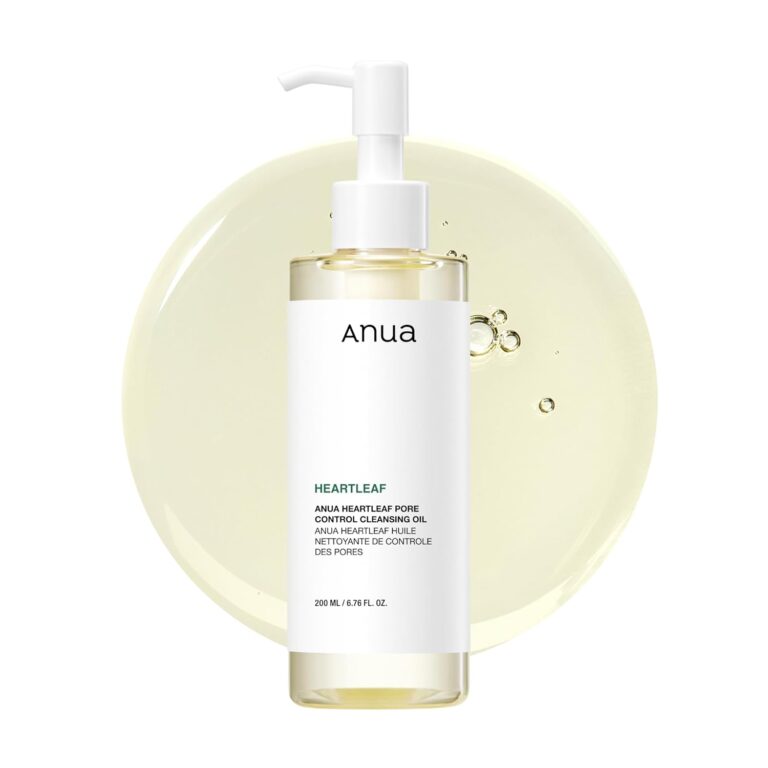
1. Anua Heartleaf Pore Control Cleansing Oil — clean without stripping
Full review: Anua Heartleaf Pore Control Cleansing Oil, photographed and priced at Olive Young in Seoul.
Glass skin honestly starts the night before, with how you take everything off. This melts sunscreen and makeup without leaving that tight, squeaky feeling, and the heartleaf keeps it calm instead of stingy.
How to use it
Dry hands, dry face, massage for 30–60 seconds, add water to emulsify, then follow with a gentle low-pH cleanser.
Who it suits
Anyone wearing SPF daily, and congested or oily skin. If you’re acne-prone and break out from friction, keep the massage short.
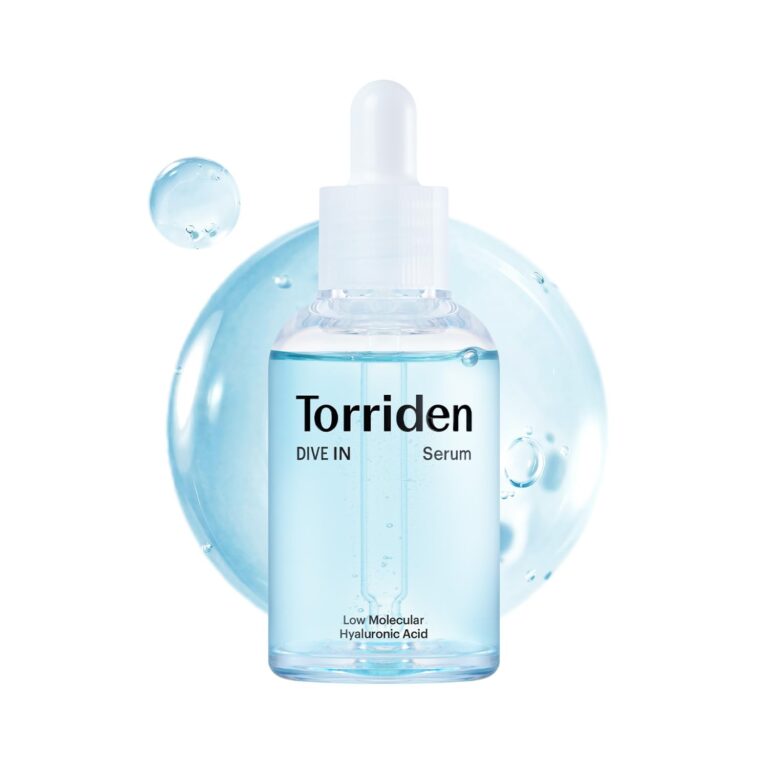
2. Torriden Dive In Low Molecular Hyaluronic Acid Serum — the hydration layer
Full review: Torriden Dive In Serum, photographed and priced at Olive Young in Seoul.
If I could keep only one of these five, it’d be this. Low-molecular hyaluronic acid actually sinks in instead of sitting on top, so it hydrates without that sticky film — and it’s cheap enough to use generously, which matters more than people admit.
How to use it
On damp skin, 2–3 drops, pressed in with your palms. On dehydrated days I just layer it twice.
Who it suits
Every skin type. Especially if your skin still looks dull right after moisturizer.
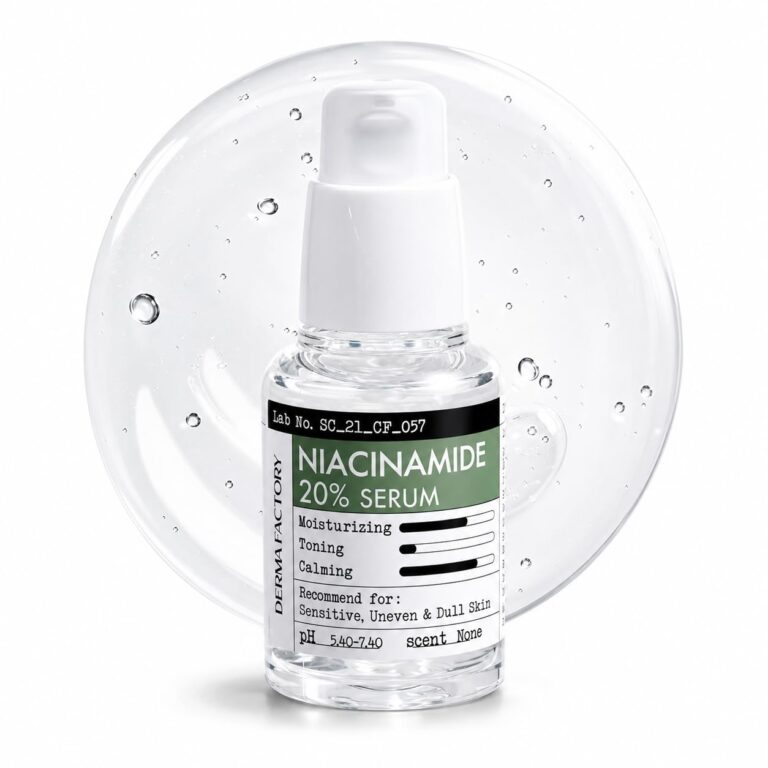
3. Derma Factory Niacinamide 20% Serum — for tone, not just shine
Glass skin is even skin, so tone work matters more than any glow product does. Derma Factory’s the brand I trust for this because it lists concentrations openly instead of burying a token amount in the ingredient list — and 20% is a genuinely high strength for what it costs.
How to use it
Start slowly. 20% niacinamide is strong: patch test first, begin at 2–3 nights a week, and stop if you get flushing or stinging. If niacinamide is new to you, I broke down the strengths in my Korean niacinamide serum guide.
Who it suits
Dullness, uneven tone and post-blemish marks. If your skin runs sensitive, start with a lower-percentage niacinamide instead.
4. AESTURA Atobarrier 365 Cream — seal it in
Full review: AESTURA Atobarrier 365 Cream, photographed and priced at Olive Young in Seoul.
Hydration walks straight back out if you don’t seal it in. This ceramide cream is stacked high at Korean dermatology clinics for a reason — it makes skin feel plump and bouncy, and plump skin is exactly what reflects light.
How to use it
Last skincare step at night, thin layer — more on dry days.
Who it suits
Dry skin, sensitive skin, or a barrier that’s been worn down by too many actives.
5. Round Lab Birch Juice Moisturizing Sunscreen SPF45 — protect the glass
The least exciting step here, and the one that decides how your skin looks in a year. Korean sunscreens tend to be dewy and cast-free, so this one doubles as a glow step instead of ruining one.
How to use it
Morning, last step, generously — roughly two finger-lengths for face and neck. Reapply if you’re out for the day.
Who it suits
Everyone, every day. And it’s non-negotiable if you’re using niacinamide or any acid.
As an Amazon Associate I earn from qualifying purchases. Affiliate links — at no extra cost to you.
The toner step: pick by your concern, not by hype
Korean routines almost always include a toner, but most “best toner” lists ignore that different skin needs different things. So here are three, split by the problem they actually solve.
One habit before you pick a bottle — it matters more than the brand does. If your toner has a light, watery texture, put it on in several thin layers instead of one heavy pass. Pat a layer in, wait until it’s almost absorbed, then add another. Two or three rounds is plenty.
Korea calls the extreme version of this the “7 skin method” — seven layers of watery toner — but you really don’t need seven. The point is that thin repeated layers absorb far better than one thick application, which mostly just evaporates off the surface. It’s the cheapest way to get water actually sitting in your skin, and it works with a ₩10,000 toner as well as it does with an expensive one.
Dry or sensitive barrier — AESTURA Atobarrier 365 Capsule Toner
Same line as the cream above. Of all the toners I’ve used, this one’s ingredient list is honestly one of the best — real barrier and hydration actives (DermaON complex with PHA water), not a watered-down formula with a pretty label. Around ₩30,000 for 300ml here. The honest downside: for a toner it doesn’t absorb quickly. It sits on the skin longer than a watery toner does, so it can feel slow if you’re layering a few things.
Stubborn inner dryness (속건조) — BIODERMA Hydrabio Essence Lotion
First, the term — because there’s no clean English equivalent. 속건조 (sok-geonjo) puts together 속 (“inside”) and 건조 (“dryness”): dryness sitting deep in the skin rather than on the surface. The confusing part is that the surface can look completely fine — oily, even — while the layers underneath are short of water.
You probably have it if your skin feels tight within minutes of cleansing, foundation clings to dry patches even though your T-zone is shiny, fine lines look deeper by evening, and your skin still looks dull no matter how much oil it produces.
It’s not the same as dry skin. Dry skin lacks oil. 속건조 lacks water — which is why oily and combination skin get it too, and why stripping foams and over-cleansing make it worse instead of better. Piling on more cream does little; the missing thing is water, held in place.
That’s the problem this essence lotion is built for. It isn’t Korean — BIODERMA is French — but it’s had permanent shelf space in Korean routines for years, the way La Roche-Posay has. 200ml.
BIODERMA also makes a plain Hydrabio Toner, and it’s a perfectly good everyday basic. But if the inner dryness keeps coming back no matter how much you hydrate, try the Essence Lotion — same idea, just more concentrated.
Acne-prone skin — Blanc Nature 9x Concentrated Heartleaf Toner
Breaking out? Heartleaf (어성초, eoseongcho) is what Korea reaches for. Alongside tea tree it’s the ingredient most associated here with calming acne-prone skin, and this one is properly concentrated at 10% heartleaf extract. 300ml, around ₩38,000 in Korea.

How to layer these Korean skincare products for glass skin
Nothing complicated here — thinnest to thickest, and sunscreen always last in the morning.
Morning
Water or gentle cleanse → toner (optional) → Torriden serum → AESTURA cream, thin → Round Lab SPF.
Night
Anua cleansing oil → gentle cleanser → toner (optional) → Torriden serum → Derma Factory niacinamide → AESTURA cream.
The full beginner walk-through, with the reasoning behind each step, is in my Glass Skin 101 routine guide.
What these Korean glass skin products won’t fix (and what to fix first)
It helps to picture the opposite of glass skin: dull, tight, rough, uneven — skin that swallows light instead of reflecting it. Almost every one of those traces back to the same root, and it isn’t a missing product.
Water balance comes first — it’s the foundation, not a step
If your skin’s water balance is off, nothing you put on top performs. Brightening serums look like they’re doing nothing, exfoliants sting, makeup clings, and skin gets oilier trying to compensate. Fix this before actives, before treatments, before buying anything else.
In practice that’s three unglamorous things: a hydrating serum used consistently, a barrier cream to hold that water in, and gentler cleansing so you stop stripping it back out. Once your skin stays comfortable through the day, that’s when it’s worth adding niacinamide or acids.
It’s also why the toner section above splits by concern: 속건조 is a water problem, not an oil problem. Treat it like oily skin — stronger foams, more blotting, skipping moisturizer — and you’ll end up further back than you started.
Pores and texture
Nothing topical shrinks pores permanently. Hydration makes them look smaller, which is a different claim. Rough texture needs gentle chemical exfoliation, not another serum.
How long it actually takes
Hydration shows within about a week. Tone and marks take four to eight weeks of consistent use. Most people quit at week two and decide the products failed.
Where to buy them, and what they cost in Korea
Olive Young
Olive Young is where most of these are actually bought in Korea — it’s the country’s largest beauty chain, it ships internationally, and it runs sales constantly. Korean shelf prices sit at roughly ₩20,000–40,000 for the items here.
Amazon and international
Amazon is usually faster outside Korea and stocks all five of the main products above, often at a small markup over Korean retail.
The three toners are a different story. I checked, and none of them are on Amazon at the moment — the AESTURA capsule toner and the BIODERMA essence lotion are Asia-market products, and Blanc Nature only lists its serum there. All three are on Olive Young Global though, so that’s where I’d buy them — or in an Olive Young store itself, if you’re visiting Korea.
Why this matters: most glass-skin lists are written by retailers who need every product to sound essential. Knowing which single product to start with, what a fair Korean price looks like, and what these products can’t do will save you more money than any discount code.
If you buy one thing, make it the hydrating serum. If you buy two, add the sunscreen. Everything else builds on top of those.
Frequently Asked Questions
What is glass skin exactly?
Skin that looks clear, smooth and hydrated enough to reflect light. It’s a state of hydration and barrier health — not a product, not a filter, and not the same thing as poreless skin.
Do I need all five products for glass skin?
No. Start with the hydrating serum — that one product does the most for hydration, and hydration is what everything else sits on top of. Add sunscreen next, then a toner once you want to push more water in. The cleansing oil, niacinamide and cream are improvements, not requirements.
How long does it take to get glass skin?
Hydration usually shows within a week. Tone and post-blemish marks take four to eight weeks of consistent use.
Are Korean glass skin products good for oily skin?
Yes. Oily skin is often dehydrated as well. Use the serum generously, keep the cream thin, and finish with a lightweight sunscreen.
Which Korean toner is best for acne-prone skin?
A heartleaf-based toner is the standard Korean answer — heartleaf and tea tree are the two ingredients used most here for calming breakouts. Look for a genuinely concentrated formula rather than a trace amount.
Related: For the unfiltered version, here is Olive Young’s real top 10, ranked by what actually sells in Seoul rather than by editors.
Sources
- Product details from each brand’s official listings (Anua, Torriden, Derma Factory, AESTURA, Round Lab, BIODERMA, Blanc Nature)
- Cult Beauty — Korean Beauty: How To Get Glass Skin
- SKINSIDER — How to Get Glass Skin Look with Korean Skincare Products
- Ulta Beauty — K-Beauty Skin Care Routines
- Product opinions and Korean pricing from my own purchases and use in Seoul
Skincare is personal — patch test new actives, and see a dermatologist for persistent concerns.
Since I wrote this — reviews from the shelf
This list was written from the outside. Everything below was written standing in front of the product in Seoul, with the Korean price and the version differences:
- Beauty of Joseon Relief Sun
- Manyo Pure Cleansing Oil
- celimax Retinal Shot
- What Koreans actually buy at Olive Young
- COSRX Advanced Snail 92 All In One Cream
- S.NATURE Aqua Squalane Moisturizing Cream
- Round Lab 1025 Dokdo Toner — the toner step, with the Korean name and the Seoul price
- Torriden Dive In Soothing Cream — the same line’s cream, and how Korea names the five Dive In products
Affiliate disclosure: Some links in this post are affiliate links. As an Amazon Associate I earn from qualifying purchases. If you buy through them, My Korea Palette may earn a small commission — at no extra cost to you. I only feature products I genuinely rate. Full disclosure.