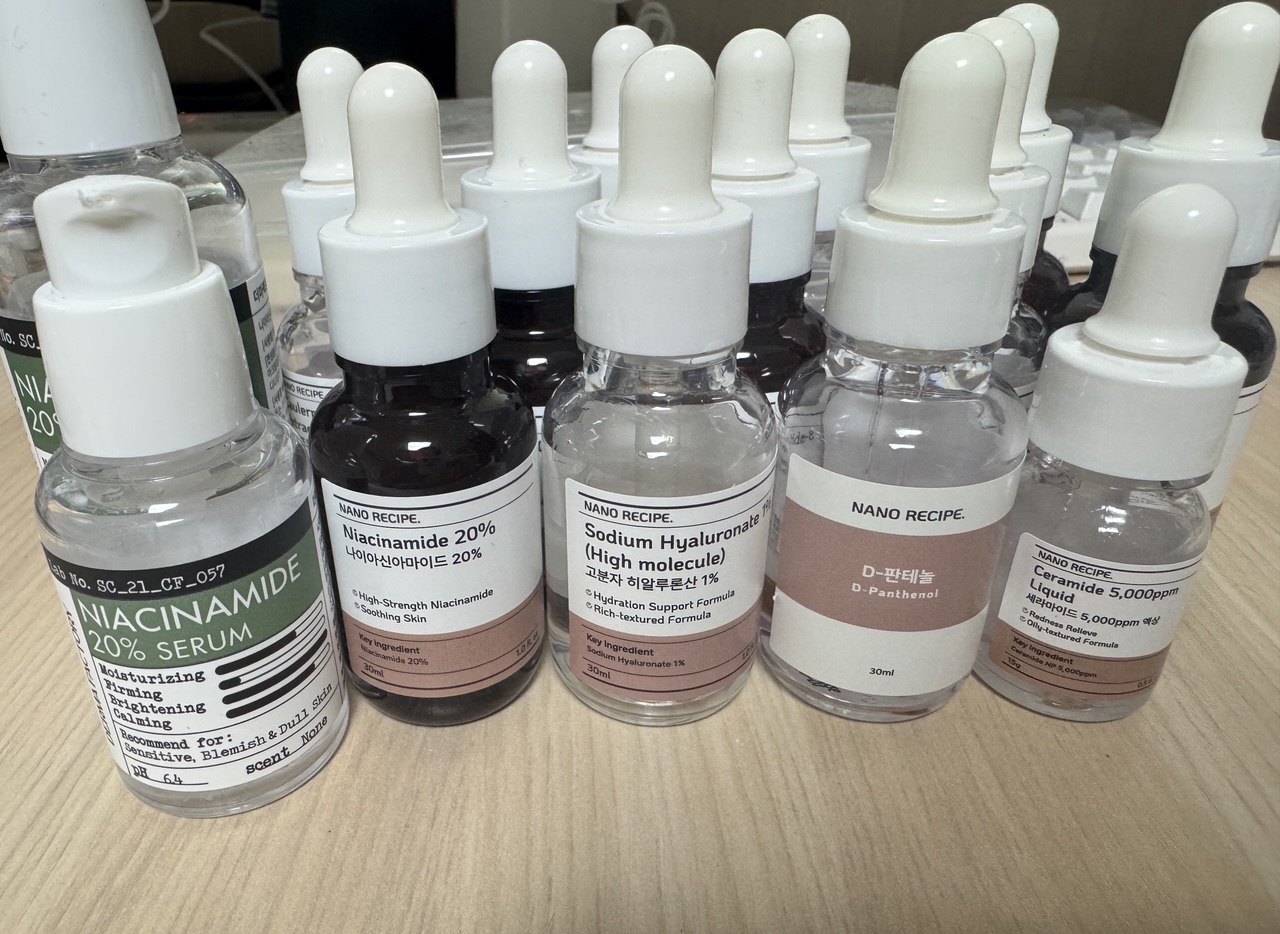
Niacinamide is one of those ingredients everyone tells you to use, but nobody really explains. For the longest time I just had a bottle sitting on my shelf without knowing why. Now it’s a quiet staple — the thing I reach for when my skin looks dull, my pores act up, or my tone goes patchy. Here’s what it actually does, how much you need as a beginner, and the Korean niacinamide serums I keep repurchasing.
What niacinamide actually does
Niacinamide is a form of vitamin B3, and the reason everyone loves it is that it’s a genuine multitasker — it suits almost every skin type. It helps regulate oil, softens the look of pores, fades dark spots, evens out tone, and strengthens the barrier so your skin holds water better and calms down. And it’s gentle enough for sensitive skin, which is rare for something this effective.
What % should a beginner use?
Here’s the part most guides skip. Dermatologists generally agree niacinamide needs to be around 5% or higher to actually do anything. But how much your skin can handle is personal, so the smart move is to start lower, see how your skin reacts, and work up. And if even 5% stings or feels drying, don’t give up on it — mix a drop or two into your lotion to soften the concentration. (That’s a trick I use all the time.) Always patch test, and add one new product at a time.
How I layer it (and the vitamin C question)
Niacinamide plays well with almost everything, which is what makes it so beginner-friendly. That old myth that you can’t use it with vitamin C? Pretty much debunked. If your skin runs sensitive I just keep it simple: vitamin C in the morning (mine’s Innisfree Vita C), niacinamide any time, retinol at night. Apply it after your toner and before heavier creams.
One non-negotiable: wear sunscreen every day. Niacinamide fades dark spots, but daily UV makes new ones faster than any serum can keep up with — so SPF is the real MVP for an even, bright tone.
The Korean Niacinamide Serums I Actually Use
In Korea the most-used niacinamide serums are roughly, in order of popularity: The Ordinary, Derma Factory, numbuzin, and Anua. The Ordinary and Derma Factory are the budget heroes and they run at higher concentrations — so if you’re a beginner, I’d start with something gentler like numbuzin or Anua, then graduate once your skin is used to it.
I’ve tried all of them. These days I actually mix Derma Factory into my body lotion and use it on my body too. On top of that I like blending whatever actives my skin needs into a hydrating toner, and my favourite for that is Nano Recipe Niacinamide 20%. It’s cheap and it lets me dial in exactly the concentration and ingredients I want.

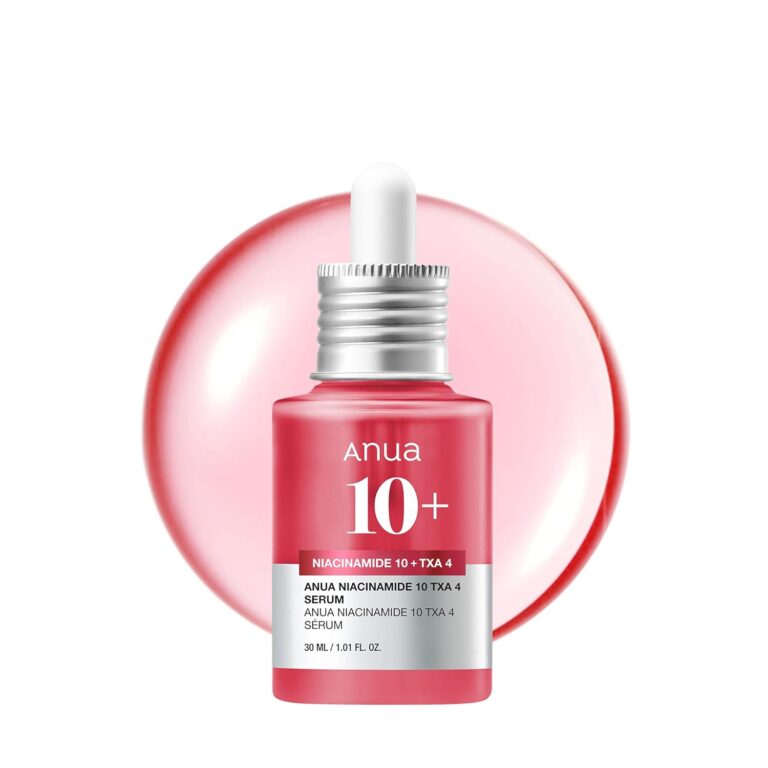
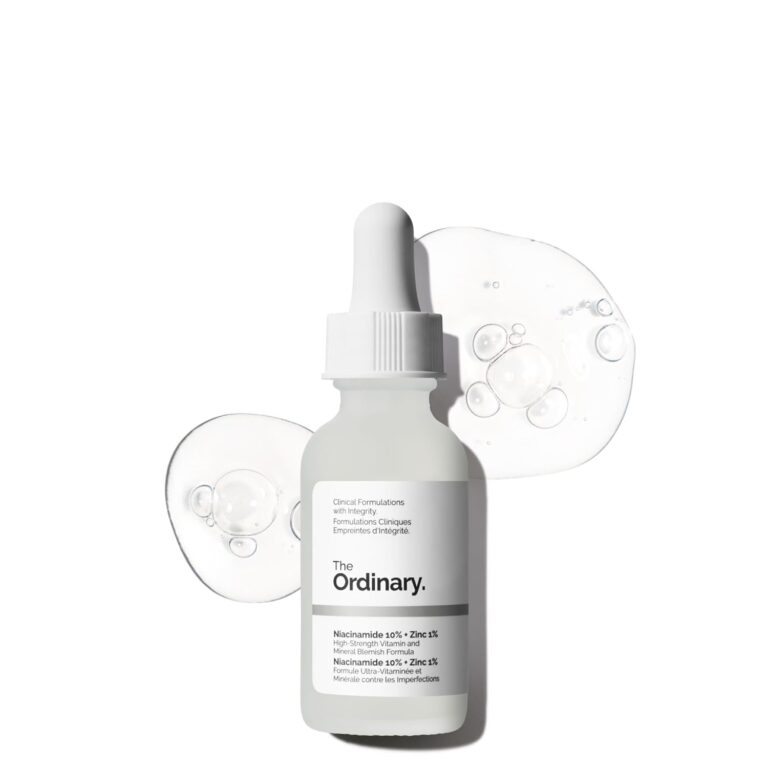
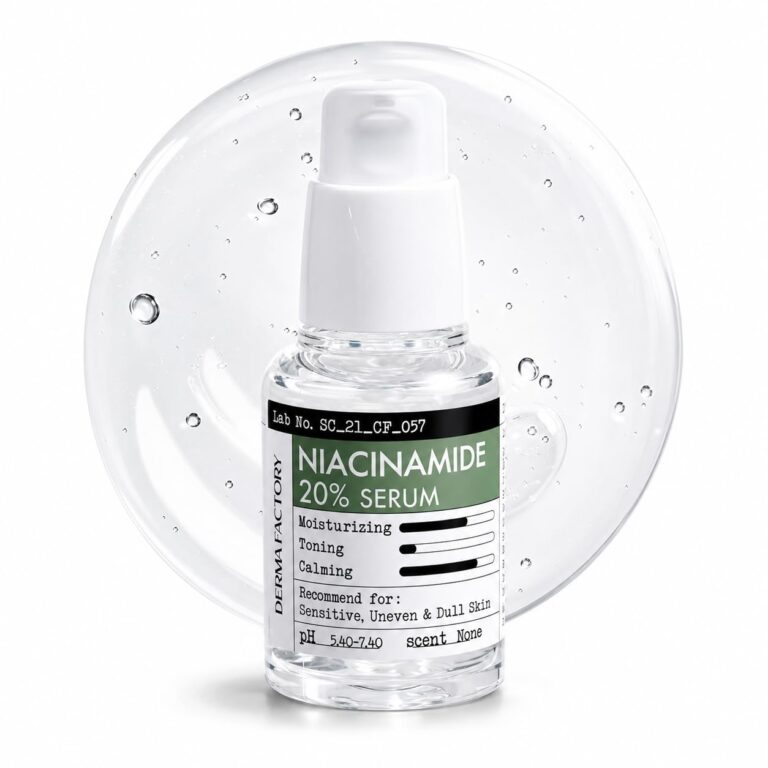
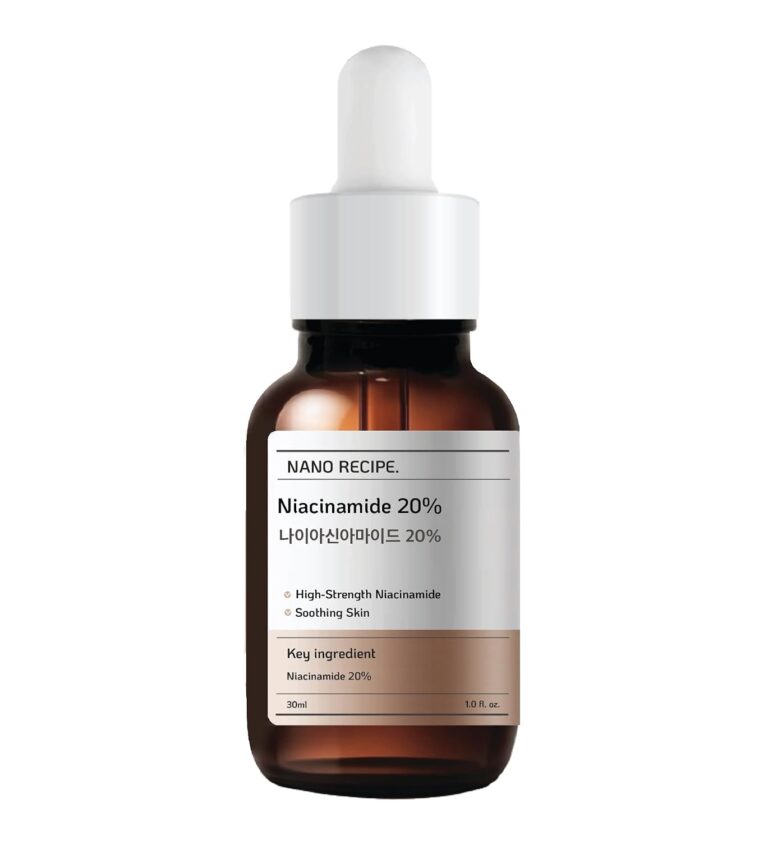
Nanorecipe Niacinamide 20% Concentrate Serum
As an Amazon Associate I earn from qualifying purchases. Affiliate links — at no extra cost to you.
You’ll find these at Olive Young — Korea’s big beauty chain, now in the US too — or on Amazon.
What Korea’s niacinamide shelf actually looks like
Everything above is what I use. This is what the shelf and the search data say — a different kind of evidence, and it lines up with the same ordering.
Search interest for niacinamide, same month, two markets:
| Korea | English-speaking | |
|---|---|---|
| The ingredient itself | 나이아신아마이드 — 12,100 | korean niacinamide serum — 480 |
| The Ordinary | 디오디너리 나이아신아마이드 — 1,600 | the ordinary niacinamide 10% + zinc 1% — 14,800 |
| Nano Recipe | 나노레시피 — 880 | no measurable English search |
| Derma Factory | 더마팩토리 나이아신아마이드 — 720 | derma factory niacinamide — 70 |
| numbuzin | 넘버즈인 세럼 — 140 | numbuzin No.5 — 3,600 |
| Beauty of Joseon Glow Serum | not searched as a niacinamide product | 8,100 |
| COSRX The Niacinamide 15 | not measurable | 880 · plus 320 for the short name |
Read the bottom two rows against the top three. When an English-language magazine picks a “best Korean niacinamide serum,” it tends to land on the Beauty of Joseon Glow Serum — 8,100 searches a month, and a genuinely good product. But it is not what Korea’s niacinamide shelf is built around. The three most-searched niacinamide names here are The Ordinary (British), Nano Recipe and Derma Factory — two Korean budget labs that almost nobody outside Korea searches for.
So “best Korean niacinamide serum” has two honest answers: the serum Koreans actually buy, and the Korean serum that became famous abroad. They are not the same bottle, and most round-ups only tell you the second one.
⚠️ A caveat on the numbers: Korea runs most of its searches through Naver rather than Google, so Google’s Korean figures understate domestic interest. I use them for relative comparison inside one market, never as a headcount.
What Korea charges, and what the shelf calls it
Off the electronic price labels at an Olive Young in Seoul, September 2026:
| Item | Price |
|---|---|
| 코스알엑스 더 나이아신아마이드 15 세럼 | ₩23,000 → ₩19,500 → ₩16,580 |
| 코스알엑스 어드밴스드 비타민C 23 세럼 20g 2입 | ₩18,450 |
| 코스알엑스 더 6 펩타이드 세럼 150ml 기획 | ₩26,900 |
The detail worth carrying home is the shelf strip itself. The bay holding the niacinamide bottle is labelled 피지 케어 세럼 — “sebum care serum” — and the badge clipped to the bottle reads 나이아신아마이드 · 피지량 −45%, a sebum-reduction figure. The bottle next to it, the peptide serum, sits under 데일리 부스터 세럼, and the vitamin C under 잡티 톤업 세럼.
Korea files niacinamide under oil control first and brightening second. English-language coverage usually reverses that, leading with dark spots. Both are real effects, but if you came here for oil and pores, the Korean shelf agrees with you more than the magazines do.
⚠️ That −45% is the brand’s own instrument-measured claim printed on a shelf display, not an independent trial result. Treat it as directional.
Which Korean niacinamide serum for which skin
The percentage matters less than matching the product to the actual complaint. This is how the Korean shelf splits it:
| If your main issue is | What to look for | Where it sits in Korea |
|---|---|---|
| Oily skin | 10–15%, ideally with zinc | COSRX The Niacinamide 15 — Olive Young files it under 피지 케어, sebum care |
| Pores | 10% and up; zinc or a BHA alongside | Same bay. The 20% options sit further along, next to the retinal shots in the 스팟집중 (spot-focus) section |
| Sensitive skin | 2–5%, or dilute a higher one | numbuzin or Anua as the gentle entry — or mix a drop into your moisturiser, which is what I do |
| Dark spots, uneven tone | 5%+, daily, with SPF | Any of the above. Consistency and sunscreen decide this one, not the percentage |
| Just starting | 2–5% | numbuzin or Anua, then move up once your skin is used to it |
| Lowest cost per use | High % from a budget lab | The Ordinary, Nano Recipe, Derma Factory — Korea’s three most-searched, and the cheapest way to run niacinamide daily |
One caution on the top end. A 20% niacinamide serum is not a stronger version of a 5% one in any way that helps a beginner — above roughly 10% the added benefit flattens out while the chance of stinging and flushing climbs. The high-percentage bottles on the Korean shelf sit in the spot-focus section for a reason: they are targeted, not daily-driver products.
How long until it works?
This is where people quit too early. You’ll usually notice calmer, less oily skin within 2 to 4 weeks, but the bigger changes — faded dark spots, smoother texture — take 8 to 12 weeks of daily use. Niacinamide rewards consistency, not intensity.
Related reads: Glass Skin 101: Beginner Routine · Korean Blackhead & Sebum Care
For the clinical evidence on niacinamide, see PubMed: Niacinamide in Dermatology.
Frequently Asked Questions
What does niacinamide do for your skin?
Niacinamide (vitamin B3) helps regulate oil, softens the look of pores, fades dark spots, evens out skin tone, and strengthens the skin barrier. It suits almost every skin type, sensitive skin included.
What percentage of niacinamide should a beginner use?
Dermatologists generally say it works best at around 5% or higher, but tolerance is personal. Start lower, work up, and if 5% irritates you, mix a little into your lotion to ease in.
Can I use niacinamide and vitamin C together?
Yes. That old myth that you can’t pair them has been largely debunked, and modern formulas layer fine. If your skin’s sensitive, keep it simple — vitamin C in the morning, niacinamide at another time.
Should I use niacinamide in the morning or at night?
Either. It’s stable and gentle enough for both, which is part of why it’s so beginner-friendly. (Save retinol for night and vitamin C for morning.)
How long does niacinamide take to work?
Calmer, less oily skin in 2 to 4 weeks. Faded dark spots and smoother texture after 8 to 12 weeks of consistent daily use.
What is the best Korean niacinamide serum for oily skin?
Look for 10–15% with zinc. Olive Young files COSRX The Niacinamide 15 under 피지 케어 — sebum care — and it was ₩16,580 on the shelf in September 2026. Korea treats niacinamide as an oil-control ingredient first, which is worth knowing if oil is your actual complaint.
What is the best Korean niacinamide serum for sensitive skin?
Something in the 2–5% range, or a higher concentration diluted. numbuzin and Anua are the gentle entry points on the Korean shelf; the other option is to mix a drop of a stronger serum into your moisturiser, which lets you set your own concentration.
What is the best Korean niacinamide serum for pores?
10% and up, ideally alongside zinc or a BHA. Korea shelves the 20% options in the 스팟집중 (spot-focus) section rather than with the daily serums — they are targeted products, and above roughly 10% the extra benefit flattens while irritation risk rises.
Is the best Korean niacinamide serum actually Korean?
Often not, if you go by what Korea buys. The three most-searched niacinamide names here are The Ordinary (a British brand), Nano Recipe and Derma Factory — two Korean budget labs with almost no overseas search interest. The Korean serum that is famous abroad, Beauty of Joseon’s Glow Serum at 8,100 English searches a month, is barely searched as a niacinamide product at home.
How much does a Korean niacinamide serum cost in Korea?
COSRX The Niacinamide 15 was ₩16,580 at Olive Young in September 2026, down from a ₩23,000 list price. The budget-lab options — The Ordinary, Nano Recipe, Derma Factory — run well below that, which is exactly why they lead Korean search.
Related: Curious which serums Koreans are actually buying right now? I pulled the live Olive Young skincare top 10 — The Ordinary’s niacinamide undercuts almost every Korean option on price.
Sources
Dermatological research on niacinamide (vitamin B3); effective-concentration and timeline figures reflect clinical consensus. Product picks and routine are my own experience. The Korean prices, shelf-section labels and on-shelf claims were read off electronic price labels and displays at an Olive Young in Seoul in September 2026; the search volumes are Google figures pulled for Korea and the United States in the same month.
Related actives on the Korean shelf
Niacinamide is one lane. If you are building the rest of the routine:
- celimax Retinal Shot — retinal rather than retinol, and why the 0.1% number misleads people
- What Koreans actually buy at Olive Young — the shelf this all comes from
- Niacinamide for dark underarms — the other place this ingredient earns its keep
- COSRX The 6 Peptide Skin Booster Serum — the peptide lane, and what the six actually are
- VT Reedle Shot 100 — the booster Koreans layer before a serum, and why the number is not a percentage
Affiliate disclosure: Some links in this post are affiliate links. As an Amazon Associate I earn from qualifying purchases. If you buy through them, My Korea Palette may earn a small commission — at no extra cost to you. I only feature products I genuinely rate. Full disclosure.