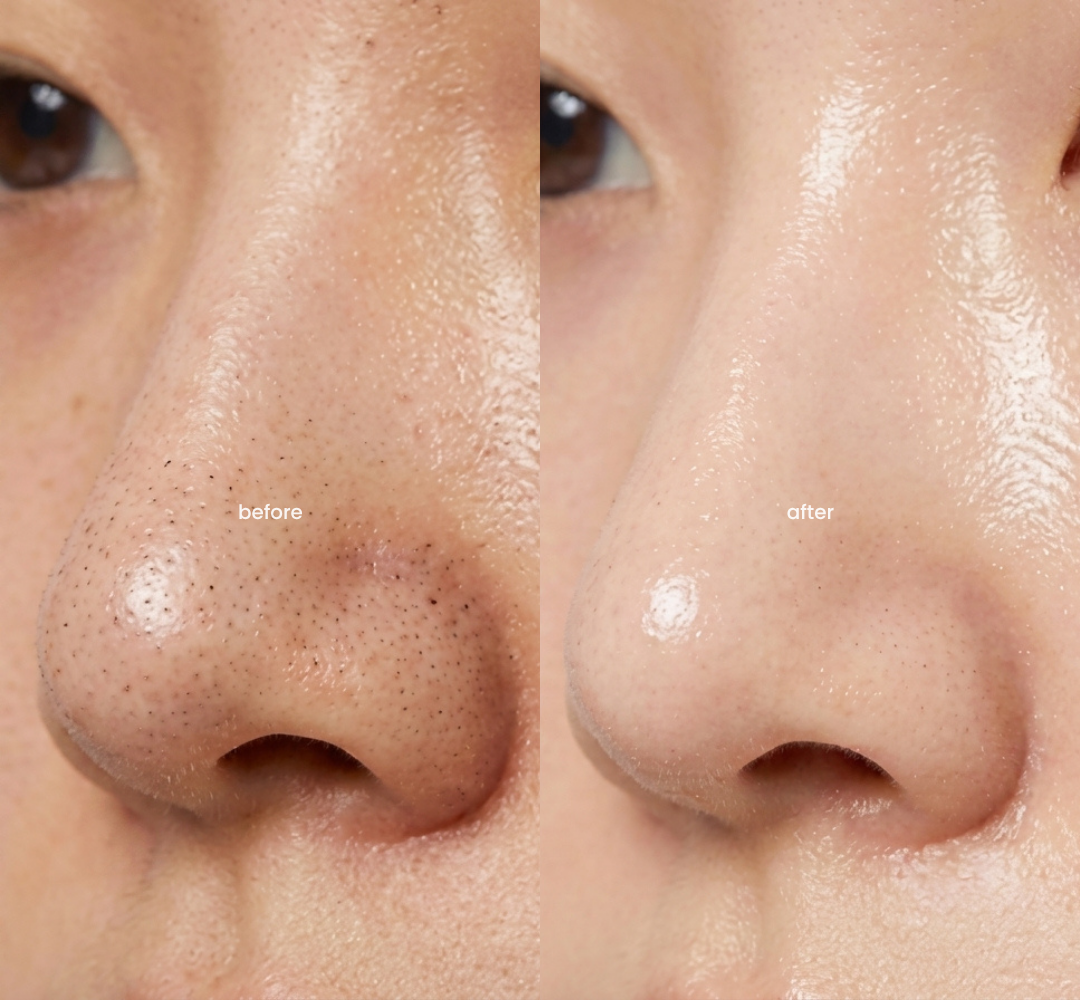
When summer arrives, my pores get noticeably busier — more oil, more blackheads, especially around the nose. My Korean blackhead sebum care routine keeps them under control. The heat just pushes sebum into overdrive. Over the years I’ve settled on a small, no-fuss pore-care lineup that genuinely keeps things in check, so here’s what I actually reach for.
Step one: double cleanse, oil first
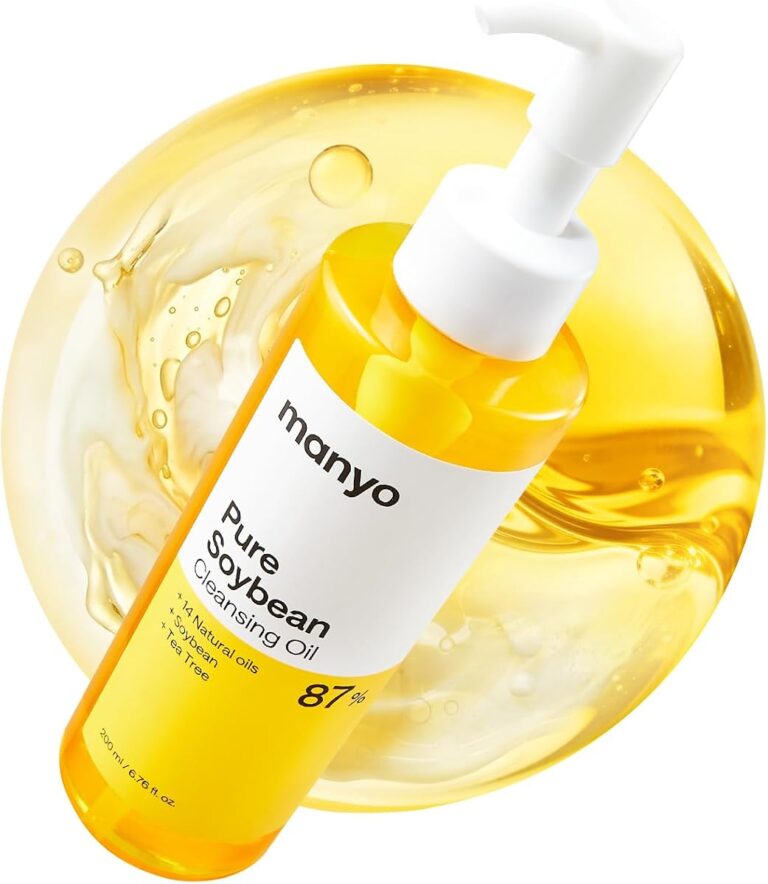
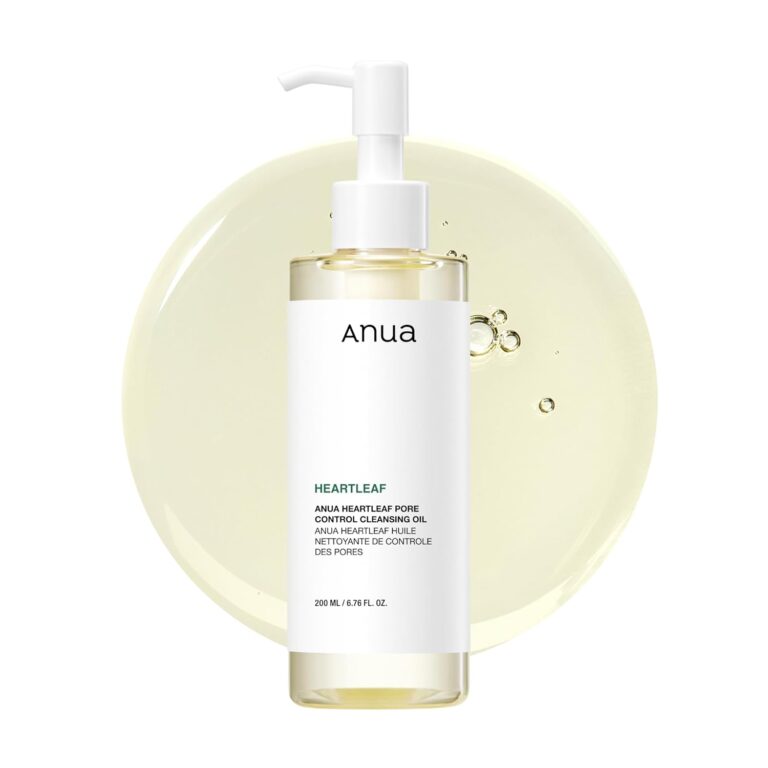
Good pore care starts with a proper first cleanse. A cleansing oil melts away sunscreen, makeup, and the sebum sitting inside your pores far better than a water-based cleanser alone, and it does it without stripping your skin. Two I like are Manyo Pure Cleansing Oil and Anua Heartleaf Pore Control Cleansing Oil. Massage onto dry skin, then rinse.
Then follow with a gentle low-pH foaming cleanser. That two-step routine — oil first, water-based wash second — is the everyday Korean double cleanse, and it’s the single habit that clears out the buildup that later turns into blackheads.
Korean Blackhead Sebum Care: Two ilso Picks
This is where ilso comes in, and which one you want really depends on your goal:
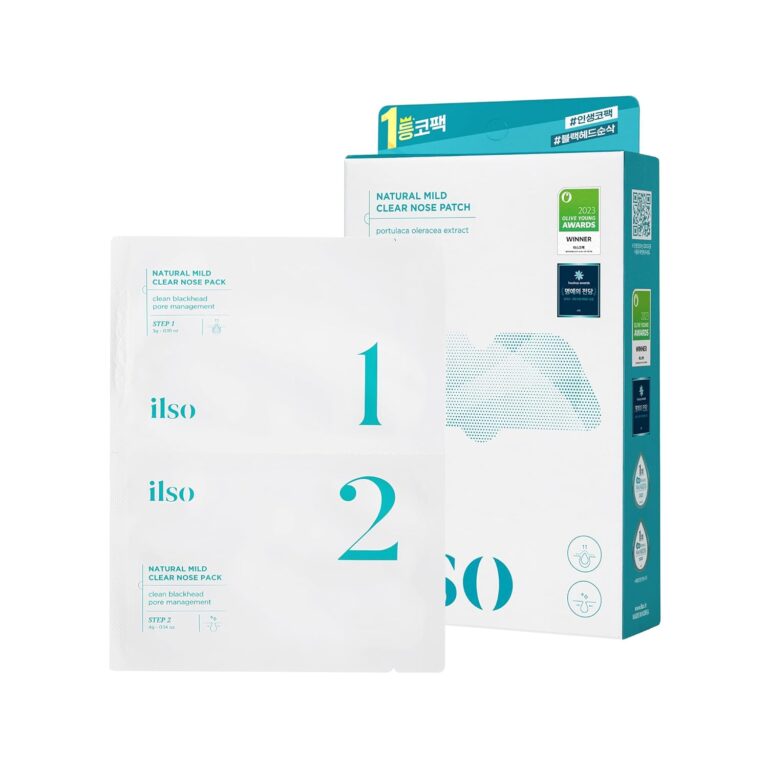
- Want to pull the sebum out of your nose, fast? Go for the ilso Natural Mild Clear Nose Patch. It’s the targeted nose treatment for those stubborn blackheads — quick and very satisfying.
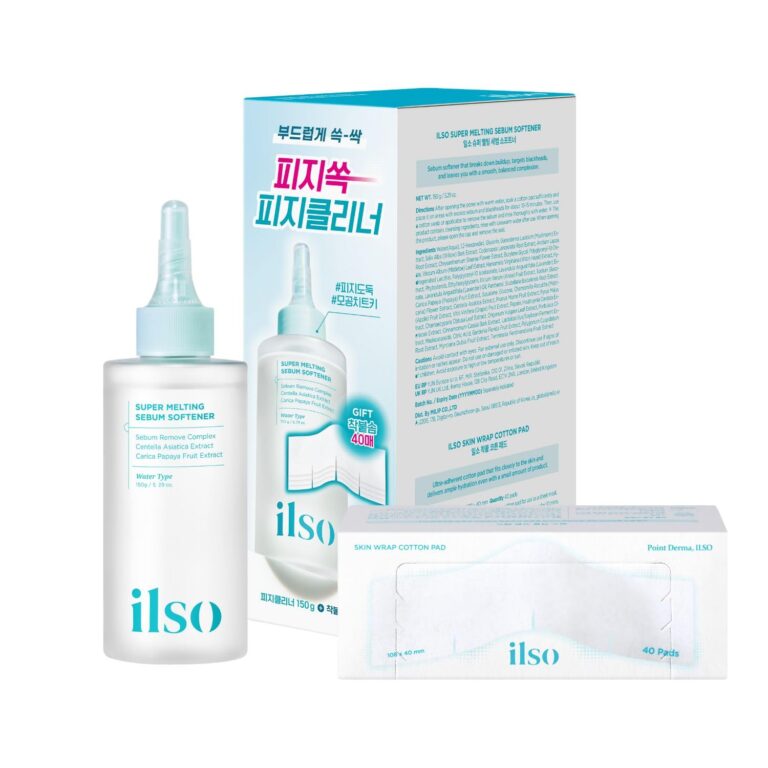
- Want to melt sebum not just on your nose but across your cheeks, chin, and between the brows? Then the ilso Super Melting Sebum Softener is the one. It gently dissolves sebum all over, not just in one spot.
Both are really popular, and which one works better often comes down to your own skin, so they’re cheap enough that I’d just try one of each. The part I love: both dissolve sebum chemically rather than scrubbing or squeezing it out — and once you’ve felt how clean that leaves your skin, it’s honestly hard to stop using them.
Which brings me to the one rule I never break: don’t squeeze blackheads out by hand. Forcing sebum out physically stretches your pores, and that enlargement doesn’t bounce back — it’s pretty much permanent. Melting it away chemically is the gentler, smarter route. The real best practice is the full combo: chemical sebum care, a daily cleansing oil, nightly retinol, and keeping your skin’s moisture balance steady so sebum doesn’t ramp up in the first place.
As an Amazon Associate I earn from qualifying purchases. Affiliate links — at no extra cost to you.
You’ll find all of these at Olive Young — Korea’s big beauty chain that recently opened in the US — or on Amazon.
A gentle BHA, once or twice a week
If your blackheads are stubborn, a leave-on BHA (salicylic acid) is worth adding. BHA is oil-soluble, so it slips down into the pore and loosens the sebum and dead skin packed inside — exactly what hardens into a blackhead. I keep it to one or two nights a week so it doesn’t clash with my retinol, and I always follow with moisturizer. If your skin runs sensitive, start slow.
The long game: retinol at night
If you want to actually reduce how much sebum your skin makes over time, retinol is the quiet hero. Used consistently as a nighttime step, it helps regulate oil production, so you’re not just clearing sebum away but slowing it down at the source. Keep it to your evening routine (more on why just below).
Related reads: Korean Cooling Modeling-Pack Ritual · Korean Niacinamide Serums 101
For the science behind BHA and salicylic acid, see American Academy of Dermatology.
Frequently Asked Questions
How do Koreans get rid of blackheads?
The Korean approach leans on melting sebum out chemically instead of forcing it. In practice that’s a daily double cleanse (oil + a gentle foam), a sebum softener or nose patch a few times a week, an occasional BHA, and retinol at night to slow oil at the source. Gentle and consistent beats aggressive every time.
Are nose pore strips bad for my skin?
The rip-off kind that yank everything out can stress and stretch your pores over time. A softening patch like the ilso nose patch dissolves the sebum first, so you get the same satisfying result without the tugging.
Is it really that bad to squeeze blackheads?
Yes. Pushing sebum out by hand stretches the pore wall, and that stretch doesn’t bounce back — enlarged pores are essentially permanent. Melt the sebum chemically instead.
Can I use Vitamin C and retinol together?
It’s best not to apply them at the same time. Vitamin C works best at a low (acidic) pH while retinol prefers a slightly higher one — and both are potent, turnover-boosting actives, so layering them can leave skin red and stinging. If you want both, split them by time of day or alternate days.
Retinol or Vitamin C — morning or night?
Retinol = night only. Sunlight and heat break it down, and it makes skin more sensitive to UV, so evening is the only time to use it (and still apply sunscreen the next morning). Vitamin C = morning, where its antioxidant power helps shield skin from UV and pollution under your sunscreen.
Keep it simple, stay consistent, and summer pores become a lot more manageable. Your nose will thank you.
Related: Sebum care is one of the strongest categories on the Korean shelf — Celladix’s Sebum Rebalancing ampoule sits at number ten in Olive Young’s live skincare ranking.
The products Korea actually shelves for this
Since writing this I have gone and photographed the cleansing aisle. Two of them are relevant here:
- Manyo Pure Soybean Cleansing Oil — Olive Young prints 1등 블랙헤드&피지 강력세정 on the shelf above it, which is their own No.1 call-out for blackheads and sebum
- beplain Mung Bean pH-Balanced Cleansing Foam — the second-cleanse foam, five Olive Young award placings, and two sizes sold out when I checked
- Anua Heartleaf Pore Control Cleansing Oil — the other cleansing oil in this aisle, and the one Olive Young files under pore control rather than makeup removal
Affiliate disclosure: Some links in this post are affiliate links. As an Amazon Associate I earn from qualifying purchases. If you buy through them, My Korea Palette may earn a small commission — at no extra cost to you. I only feature products I genuinely rate. Full disclosure.